
UPI Now Shows the Real Bank Name Before You Pay — What June 1 Means for Businesses
From 1 June 2026, every UPI app must show the recipient's bank-registered name before a payment is approved. Here is what changed, and why it matters for any business that collects payments.
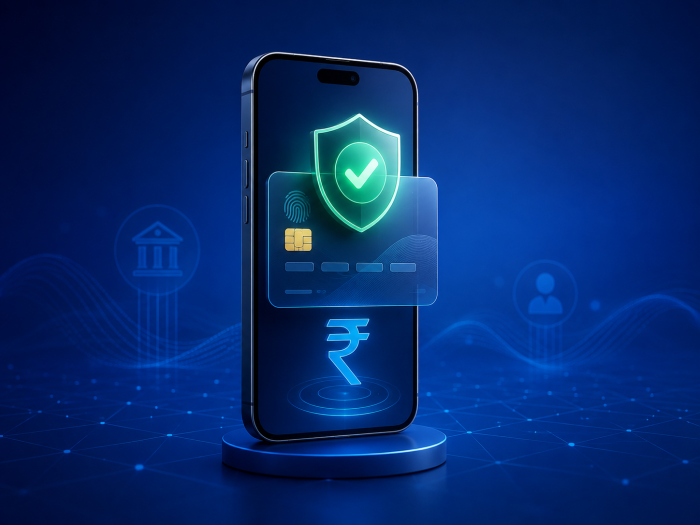
From 1 June 2026, the name you see before you approve a UPI payment is no longer a nickname — it is the recipient's real, bank-registered name. NPCI's new real-name verification rule applies to every UPI app, on both person-to-person and person-to-merchant payments, and it quietly closes one of the most common doors used by payment fraudsters.
What changed
Until now, the name on the confirmation screen could be a self-set nickname or a label baked into a QR code — which scammers exploited by posing as trusted businesses. Under the new rule, UPI apps must display only the name the recipient is registered under at their bank, before the payment is authorised. Nothing else about the flow changes: you still scan the QR or enter the UPI ID; only the final screen is now bank-verified.
The scale is why it matters. UPI processed more than 24,000 crore transactions in FY 2025–26, and impersonation fraud rode on the gap between a displayed name and the actual account holder. Closing that gap is a structural fraud reduction, not a cosmetic tweak.
Why a WhatsApp-first business should care
You are not a payment processor — but if you send payment links, invoices or renewal reminders over WhatsApp, this touches you in two ways.
What to do this week
That trust chain is exactly what FLO is built to run — verified business messaging, payment-link and reminder automation, and a record of every conversation so the customer always knows who they are paying. See how it fits together in the product, and the wider 2026 context in our note on the January WhatsApp pricing change.
Running a business on WhatsApp? FLO automates the follow-up.
Book a free demo →