
Missed Calls During Shop Hours Still Leak Leads — Fix the WhatsApp Callback First
Busy-hour missed calls do not die on the phone — they move to WhatsApp with no owner. Assign the chat and close the callback before the buyer shops elsewhere.
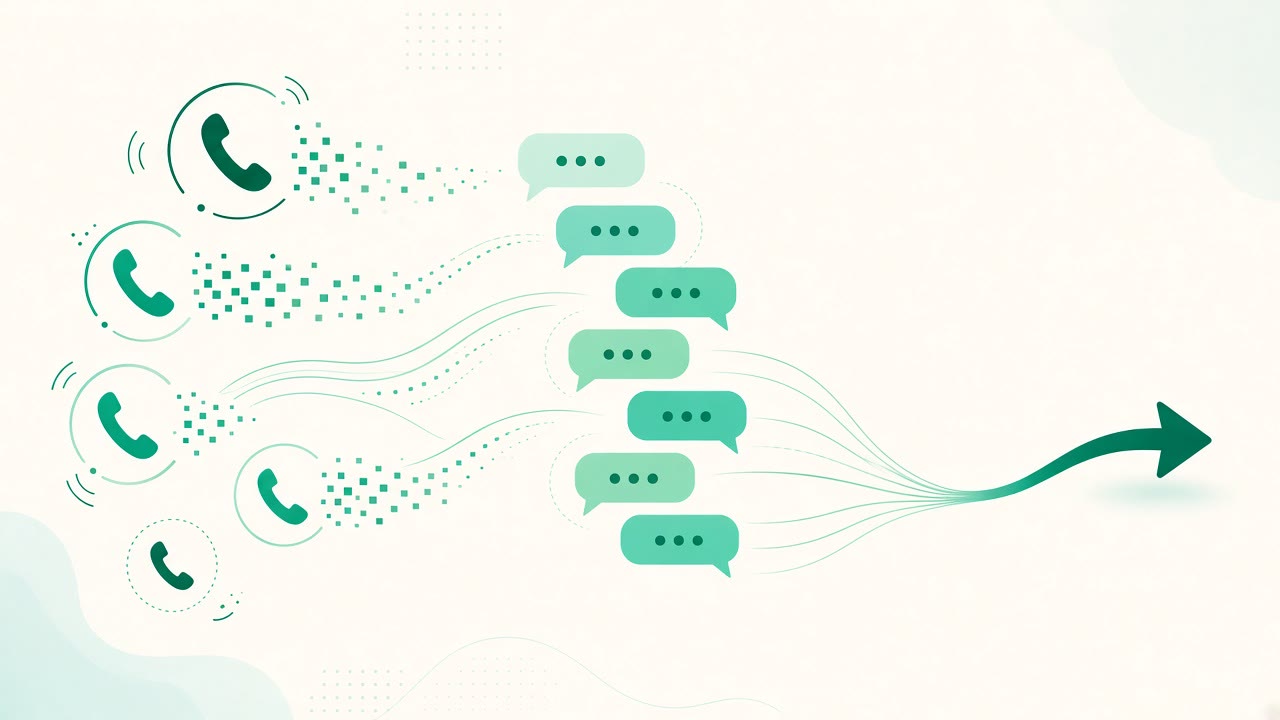
Most Indian SMBs lose busy-hour leads after the phone stops ringing, not while it rings. The buyer tries once, gets no answer because the owner is already on another call or at the counter, then pastes the same ask into WhatsApp — price, stock, slot, "are you free?" — and waits. If that chat lands on a personal phone with no assignment, the lead is already half gone.
Why shop-hour missed calls still hurt
According to a Kantar study (2025) cited by Meta, 91% of online adults in India chat with a business on a weekly basis. Messaging is where buyers finish what a missed call started. Speed still decides who keeps the conversation. The InsideSales.com / MIT Lead Response Management study found that contacting a web-generated lead within five minutes made qualification 21 times more likely than waiting 30 minutes. Harvard Business Review's later reporting on the same research line showed that firms that responded within an hour were nearly seven times more likely to qualify the lead than those that waited longer.
On WhatsApp the window is tighter: buyers usually message two or three vendors at once and stay with whoever answers first. A ring-no-answer at 11 am that becomes a silent WhatsApp thread until evening is the same leak as an unanswered night enquiry — just dressed as "we were busy."
The real leak is the callback handoff
Missed-call tools and AI agents can log that a number rang. They do not close the deal. The gap that still decides who keeps the buyer is what happens next:
- Who owns the WhatsApp reply when the buyer texts after the missed call?
- Is the enquiry on a shared inbox, or only on one person's personal chat?
- Does the first reply acknowledge and capture the ask, or only say "call me back"?
- What happens if the closer is still on another call — does a second owner pick up, or does the thread go cold?
When those answers live only in someone's head, busy mornings manufacture unfinished WhatsApp threads faster than the team can clear them.
What to fix this week
- Count the leak. For seven shop days, log missed calls during open hours and how many of those numbers (or the same buyers) appear in WhatsApp the same day.
- Separate acknowledge from close. A fast WhatsApp acknowledgement stops the buyer shopping elsewhere. A named closer still has to pick up the thread.
- Route, do not forward. Forwarding a missed-call screenshot into a personal WhatsApp group hides ownership. Deploy assignment so every callback chat has one owner.
- Keep a short follow-up ladder. Same hour if possible, same day, next morning — with a clear stop rule so stale callbacks do not clog the queue.
Where FLO fits
Missed-call capture and telephony-to-chat product features matter more for larger organisations with high inbound volume. At Fidus we work with small and medium enterprises: for most shops the everyday leak is not the ring log — it is the WhatsApp thread that arrives after a busy-hour miss, with no owner and no follow-up ladder.
What teams use FLO to deploy here is WhatsApp lead routing, ownership, and follow-up — not a missed-call product. Deploy FLO Konnect when shared inbox, assignment, and callback follow-up are the bottleneck; talk to Annu on a short demo when you want to walk your real WhatsApp flow.
If busy-hour missed calls are already spilling into unanswered WhatsApp threads, see FLO Konnect for WhatsApp lead routing and follow-up, or book a short demo with Annu.
Running a business on WhatsApp? FLO automates the follow-up.
Book a free demo →