
New, Contacted, Quoted, Booked: Pipeline Stages That Tell Your Follow-Up What to Send During the Festive Rush
Vague pipeline stages leave festive follow-up to memory. Define a few stages with plain entry rules, then decide what your team sends at each one.
Today is 9 October 2026. Dussehra falls on 20 October and Diwali on 8 November (Government of India holiday list for 2026), and festive enquiries are about to rise. Ads, website forms and walk-ins all bring people in at once. Many teams still keep those enquiries in vague states such as "interested" or "working on it". Nobody agrees what those words mean, so follow-up happens when someone remembers. The wrong note reaches someone who has already booked a visit, or nothing reaches someone who asked for a quote three days ago.
This piece is about writing down a handful of pipeline stages with plain rules, deciding what your team does at each stage, and reviewing who is stuck before the peak. Stages and follow-up content are team decisions. The tools you use only hold the picture you define.
Write a short stage list with entry and exit rules
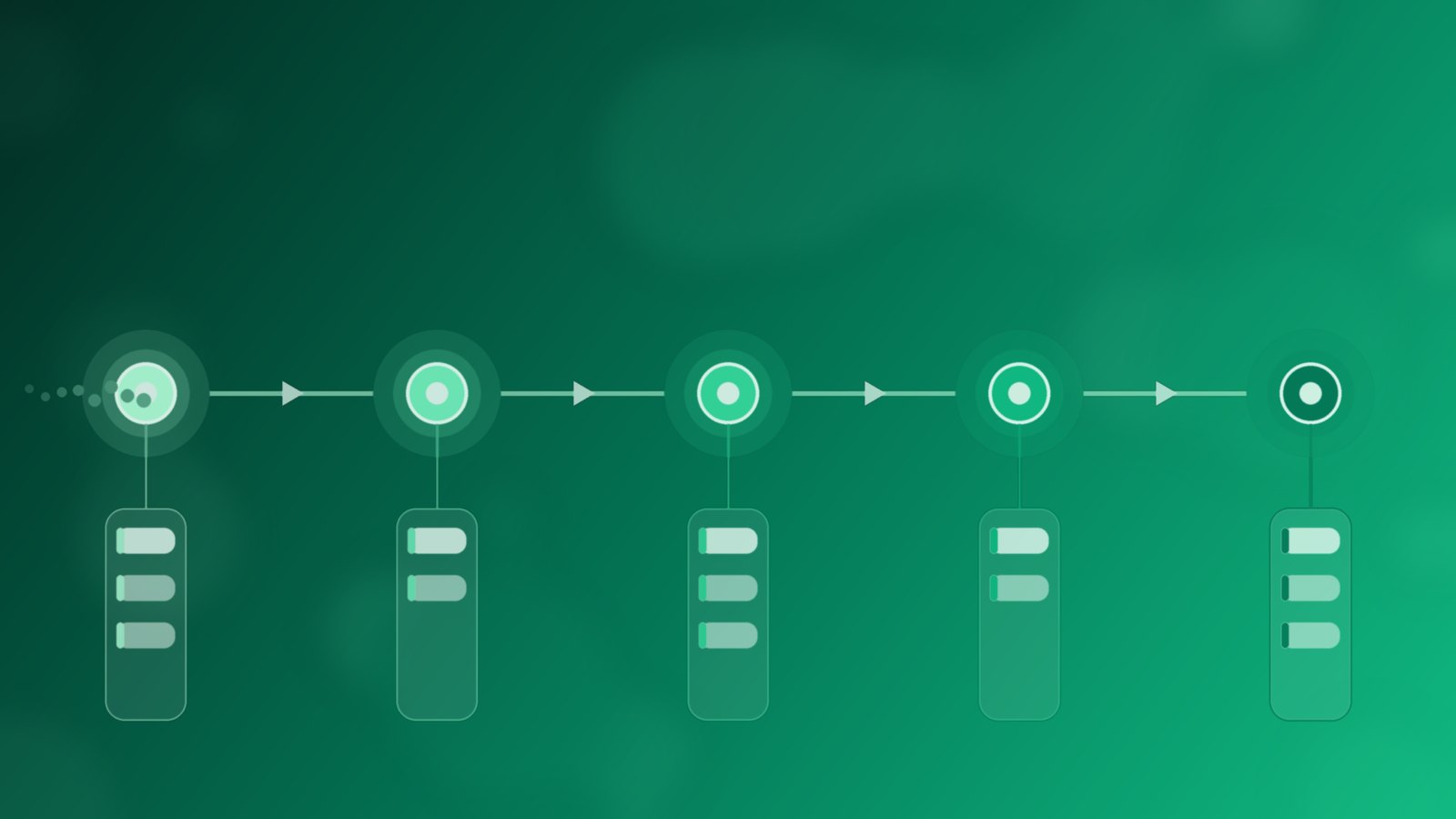
Fewer stages work better than a long list nobody remembers. A practical set for many Indian SMEs looks like this:
- New — entry: enquiry just arrived; exit: first human contact has been made.
- Contacted — entry: someone on your team has spoken or messaged; exit: a quote has gone out, or the person is ready for a visit or call.
- Quote sent — entry: price or proposal shared in writing; exit: visit or call booked, or the person says not now.
- Visit / call booked — entry: a time is agreed; exit: meeting held and outcome recorded.
- Won or Not now — closed outcomes, kept separate so "Not now" is not lost in a blank.
Write the entry and exit rule for each stage in one sentence and share the list with everyone who handles enquiries. Agree exact names and spellings. If two people would put the same enquiry in different stages, the list is still too vague. Rename or merge until the choice is obvious in a busy week.
Recording where each enquiry came from still helps at intake; we covered a short source and tag list in Which Ad or Form Brought This Enquiry?.
What your team does at each stage, and what should stop it
Stages only help if each one has a next action and a stop rule. As general practice, your team can decide, for example:
- New — make first contact the same day; stop when the person has replied or been reached.
- Contacted — answer questions and move toward a quote or a booking; stop when the quote is sent or the booking is made.
- Quote sent — a short, spaced reminder ladder (for example day one, day three, day seven), then pause; stop on a reply, a booking, or a move to "Not now".
- Visit / call booked — confirm the slot and prepare for the meeting; stop when the meeting has happened.
- Not now — one polite close and a note of when to reopen, if at all; do not keep pitching.
Speed at the first step matters. Harvard Business Review's The Short Life of Online Sales Leads (March 2011) studied 1.25 million leads at 42 US companies. Firms that tried to contact a lead within an hour were "nearly seven times as likely to qualify the lead" — meaning a meaningful conversation with a key decision maker — as firms that tried even an hour later, and more than 60 times as likely as firms that waited 24 hours or more. That is US data from 2011, not an Indian festive result, but the direction is clear: waiting turns warm enquiries cold.
Name one owner per enquiry so the stage and the next step sit with one person. We wrote about ownership during festive volume in Festive Season WhatsApp Enquiries: Give Every Chat an Owner.
Design the follow-up by stage (general practice)
Follow-up sequences are a team design choice, not something a platform invents for you. Decide, on paper:
- What to send at each stage (acknowledgement, answers, quote, reminder, confirmation).
- Spacing that respects a busy buyer's week, with fewer touches as the stage matures.
- Channel mix — email, SMS and WhatsApp as just one channel among others, using whichever channel the person already used or preferred.
- Consent and timing — only message people who have given permission for that channel and purpose.
On WhatsApp Business Platform, non-template (free-form) messages are only allowed inside an open customer service window; outside that window you need an approved template. Meta's WhatsApp Business Platform pricing documentation sets out how that window works. India's Digital Personal Data Protection Rules, notified by the Government in November 2025 also stress clear, standalone consent notices. If you plan festive offers later, record permission when the enquiry arrives; see WhatsApp Opt-In Before Festive Offers.
Keep the copy short, factual and tied to the stage. Do not send a fresh offer pitch to someone who has already booked a visit, and do not leave a quoted lead with no next step for a week.
A weekly "stuck in stage" review through Dussehra–Diwali
Stages drift unless someone looks. Once a week between now and Diwali, have one named person run a short review:
- Count open enquiries by stage.
- List anyone who has sat in the same stage longer than your agreed limit (for example three days in New, seven days in Quote sent).
- Either move them forward, move them to "Not now", or note why they stay.
- Spot stages that have grown a private meaning ("soft quote", "almost booked") and fold those back into the written list.
The review is about clarity, not pressure. A clean stage picture by mid-November is more useful than a long list of half-finished conversations.
Where Flo fits
You set your own pipeline stages and move each lead through them, and a workflow can run the moment a new lead arrives, tagging it and placing it in the right pipeline with a note.
Which stages you use, what follow-up content goes with each stage, the spacing, the channel mix and the stop rules remain decisions your team writes down and keeps. Flo holds the stages and the intake workflow you configure; it does not invent the sequence for you.
Set the stages up before the peak
Agree the stage list this week, write the entry and exit rules, name the owner of the weekly stuck-stage review, and sketch the follow-up you want at each stage before Dussehra. If you'd like a walkthrough of Flo, book a short demo.
Sources: Government of India (DoPT) holiday list for 2026, via ICAR; Harvard Business Review, The Short Life of Online Sales Leads (March 2011); Meta for Developers, WhatsApp Business Platform pricing; PIB, Government notifies Digital Personal Data Protection Rules (14 November 2025).
Running a business on WhatsApp? FLO automates the follow-up.
Book a free demo →