 by Fidus
Add a Lost Stage and Write Down Why Each Enquiry Closed
Every business loses some enquiries. The costly part is not knowing why. Here is how a small team can add a lost stage and note the reason each time.
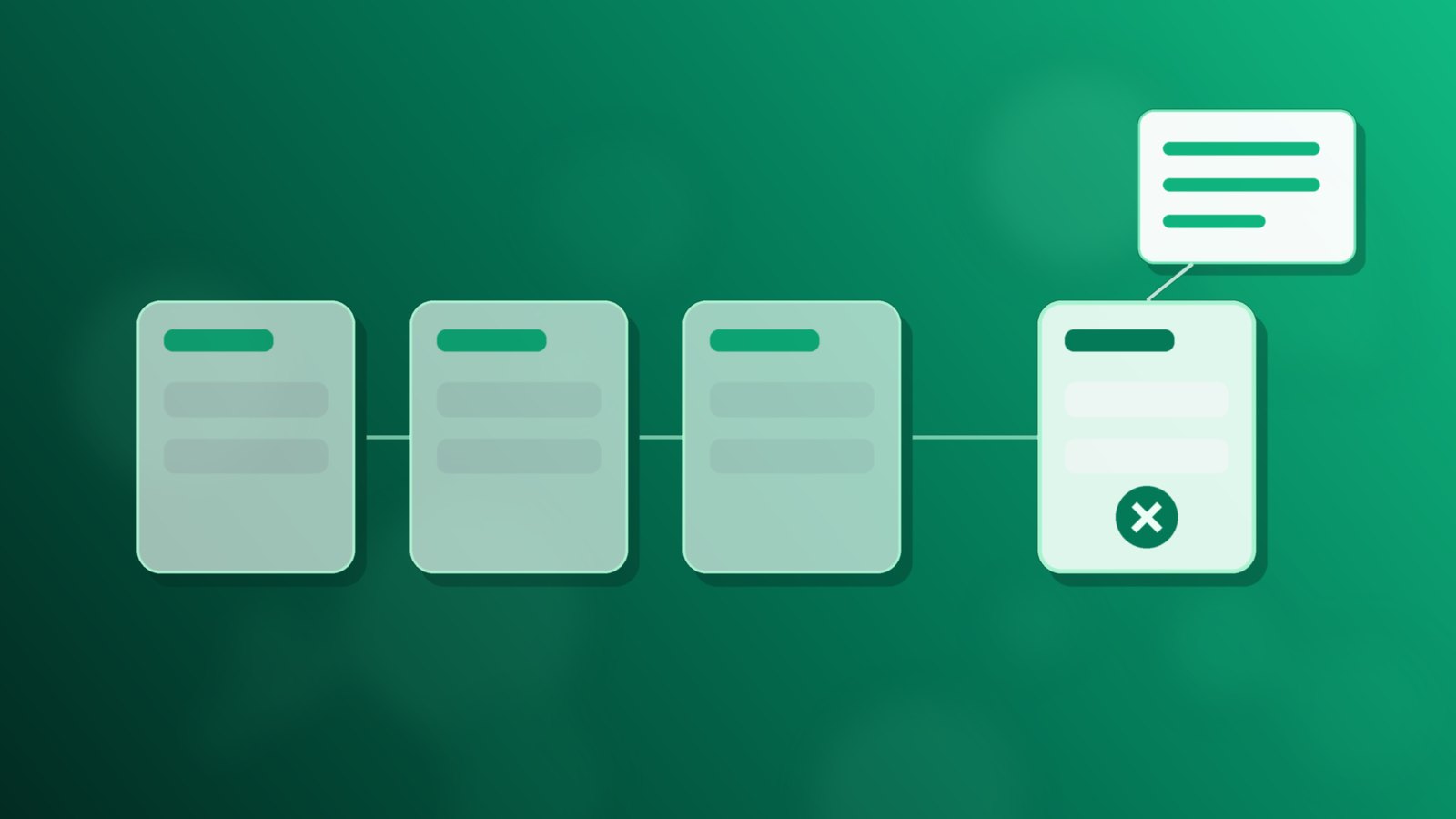
An enquiry comes in through the website form. Someone replies, sends a quote and has a friendly call. Then it goes quiet. A month later the enquiry is still sitting in an early stage of the pipeline, and when you ask the team what happened, the honest answer is a shrug.
Every business loses some enquiries. That is normal, and often the right result: not every enquiry is a good fit. The costly part is not knowing why. If the same reason keeps coming up, such as price, timing or a service you do not offer, nobody can act on it until someone writes it down. This guide sets out a simple way for a small team to close lost enquiries properly and keep a short note of the reason.
Why the reason matters more than the result
A lost enquiry with no reason tells you very little. A lost enquiry with a one-line reason is a small piece of evidence. Put a few dozen of those side by side and patterns start to show.
- Price. If many enquiries close on price, the question may be how the quote is explained rather than the number itself.
- Timing. If people say "not now", they may be worth a polite check-in later rather than being written off.
- Fit. If enquiries keep asking for something you do not offer, that is either a form that needs clearer wording or a gap in your services worth discussing.
- No reply. If many simply stop answering, look at how quickly and clearly the first reply goes out.
None of this needs special software. It needs a place to close each enquiry and a habit of writing down why.
Add a lost stage to your pipeline
Many small pipelines have stages for new, contacted, quoted and won, but nowhere for enquiries that did not go ahead. Those enquiries then sit in an early stage for ever, which makes the whole pipeline harder to read. Adding a clear end stage fixes that.
Some teams use a single "Closed – lost" stage. Others keep two: "Lost" for enquiries that chose someone else or did not go ahead, and "Not a fit" for enquiries you decided not to pursue. Either works. What matters is that every enquiry eventually ends in a won stage or a lost stage, rather than drifting.
Agree the rule for moving an enquiry there in the same way you agree rules for other stages. Our piece on writing entry and exit rules for every pipeline stage covers how to set those rules. A simple exit rule for lost is: the customer has said no, or the team has made an agreed number of attempts to reach them with no reply.
Agree a short list of lost reasons
Free-text reasons are better than nothing, but they are hard to compare. "Too expensive", "budget issue" and "found it cheaper" all mean roughly the same thing. A short, agreed list keeps the notes consistent. For most small businesses, five or six reasons are enough:
- Price or budget
- Timing: not ready yet
- Chose another supplier
- Not a fit for what we offer
- No reply after agreed attempts
- Other, with a short explanation
Write the list down and share it with everyone who handles enquiries. Keep the wording exactly the same each time, so that "Price or budget" is always written as "Price or budget". Resist adding new reasons every week. If "Other" starts filling up with the same explanation, that is the moment to add it to the list.
Write the reason down when the enquiry closes
Reasons are easiest to record while the conversation is fresh. Make it part of moving the enquiry to the lost stage: the person who closes it adds a one-line note with the reason from the list, plus anything specific the customer said.
A useful note is short and factual. For example: "Price or budget. Liked the proposal, but went with a smaller package elsewhere." Or: "Timing: not ready yet. Asked us to get back in touch after the new financial year." Avoid guesses about the customer's motives, and keep personal opinions out of the record.
If your team already adds notes when an enquiry first arrives, the lost reason simply becomes the last line of that same record. Our guide to capturing enquiry context at intake explains how to write useful notes from the start, so the whole story of each enquiry sits in one place.
Look back at lost enquiries once a month
Recording reasons only helps if someone reads them. Set aside a short slot once a month to go through the enquiries that closed as lost. This is a manual habit: one person reads the notes, counts how many fall under each reason on the list, and brings the totals to a team conversation.
Keep the questions simple. Which reason came up most often? Did anything change compared with last month? Is there one small thing the team can try next, such as explaining the quote differently or tidying the wording on the form? Pick one change at a time, so you can see whether it makes a difference.
It also helps to look at reasons by where the enquiry came from. If you tag every enquiry with its source, or capture campaign details in UTM hidden fields, you can see whether enquiries from one source tend to close for the same reason.
Where Flo fits
In Flo, you can add your own pipeline stages, such as a closed or lost stage, and each website-form lead's pipeline opportunity carries a note you can add to.
The list of reasons, the decision to close an enquiry and the monthly look back remain decisions for your team. Having one stage to close each enquiry in, and one note to write the reason on, simply gives those decisions a consistent place to sit.
A short checklist for this week
- Look at enquiries that have sat in an early stage for a long time and decide which have actually closed.
- Add a lost stage, or "Lost" and "Not a fit", to your pipeline.
- Agree the exit rule for moving an enquiry to the lost stage.
- Write down five or six lost reasons and share the list with the team.
- Ask whoever closes an enquiry to add a one-line note with the reason.
- Book a short monthly slot to read the notes and agree one change to try.
If you'd like a walkthrough of Flo, book a short conversation.
Running a business on WhatsApp? FLO automates the follow-up.
Book a free demo →